
Drone and ROV Tank Inspections: What Is Actually Inside
Posted on August 24, 2026 by Brent Phillips
A tank inspection from ground level only tells half the story. Water district managers often assume a tank’s exterior condition mirrors what’s happening inside, until a drone or ROV inspection proves otherwise. For Cunningham Sandblasting Inc., headquartered in Joplin, Missouri, that gap is exactly where ROV inspection footage earns its keep.
What API 653 Actually Requires
API 653, the American Petroleum Institute’s standard for aboveground steel storage tanks, sets the schedule most water districts already follow without knowing it by name. It calls for external inspections at least every five years and internal inspections every ten years, or sooner if corrosion rates demand it, plus routine visual checks in between. Inspectors evaluate shell thickness, foundation settlement, and coating condition, and must be certified to sign off on the results. An ROV inspection doesn’t replace that standard; it satisfies the internal requirement without draining the tank.
What a Standard Tank Inspection Misses
Exterior walkarounds catch peeling paint, rust streaks, and dents—all valuable, all above the waterline. They miss everything submerged: pitting on the tank floor, sediment displacing usable storage capacity, and coating failure along interior welds. A district relying only on what’s visible from a ladder or roof hatch is scoping a rehab project on partial information, and partial information is how budgets run over once contractors open the tank.
Inside the Tank Floor: What ROV Cameras Catch
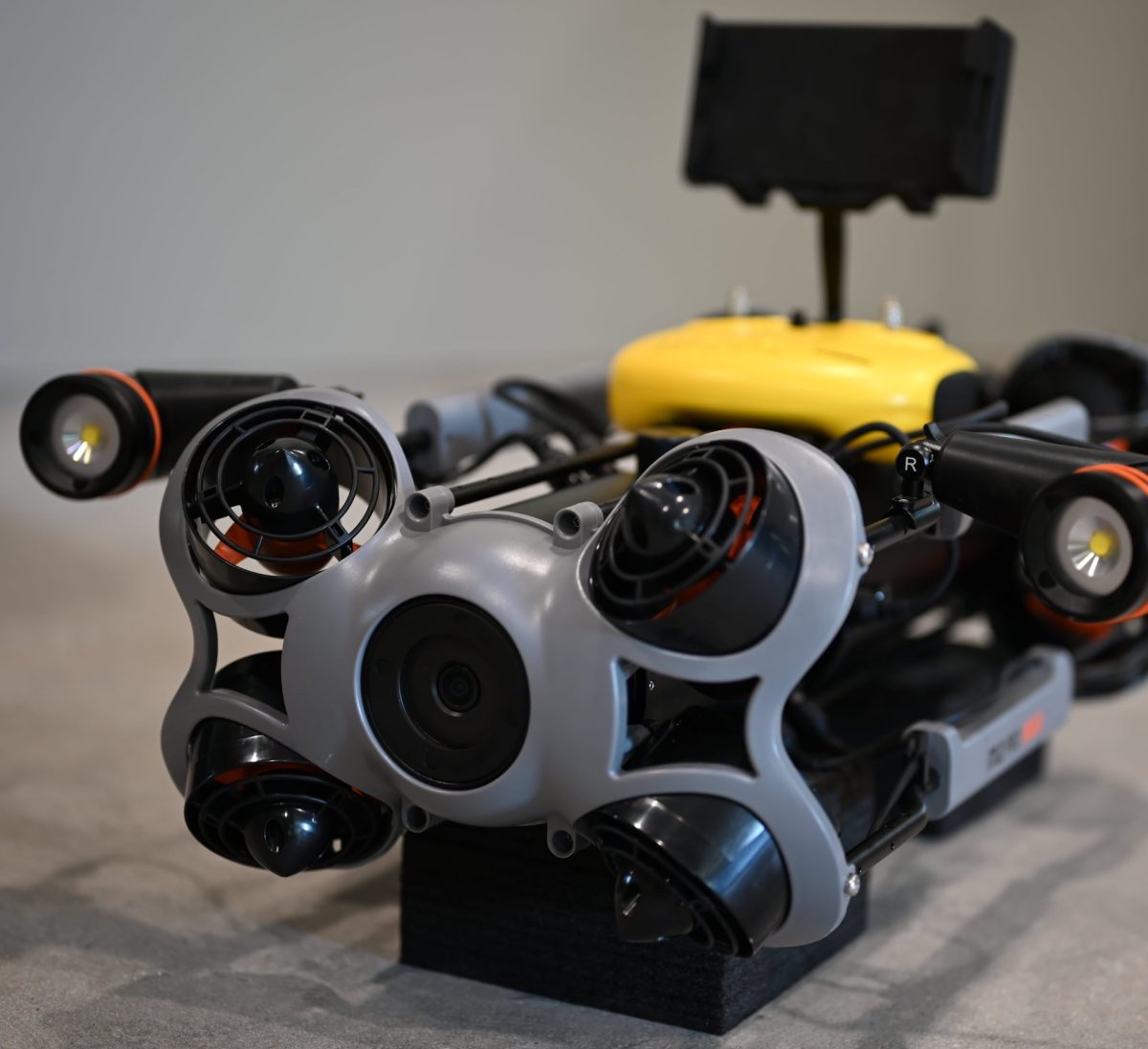
A tank floor inspection is where the story usually changes. Lowered through the roof hatch, an ROV camera documents conditions an inspector would otherwise need a drained tank to see. On a typical run, footage and sonar data reveal:
- Pitting corrosion depth and location across the floor plate
- Coating disbondment or blistering along the floor-to-shell weld
- Sediment thickness and how much usable capacity it’s displacing
- Cracking or gouging at weld seams
- Zinc anode wear on cathodically protected tanks
Districts that have only seen their tank from the outside are often surprised by what shows up on the first pass.
What Water Storage Tank Inspections Reveal
A storage tank inspection performed to AWWA D100 looks beyond structural integrity to water quality itself. EPA guidance notes that corrosion byproducts, biofilm, and sediment inside finished water storage tanks can affect distribution-system water quality, which is why AWWA recommends a full inspection cycle every three to five years. ROV footage documents structural wear and water quality risk in one site visit instead of two.
Turning Findings Into an Accurate Tank Rehabilitation Budget
Every finding from a drone or ROV pass becomes a line item—not a guess. Pitting depth tells a contractor how much floor plate needs replacing instead of patching. Coating condition determines whether a spot repair or full recoat is the right scope, which keeps a rehabilitation bid from growing mid-project. It’s why Cunningham Sandblasting Inc. builds every recoating quote from actual footage, not an exterior walkaround.
If your district’s water tank hasn’t had an internal look in the last five years, now’s the time to schedule one. Cunningham Sandblasting Inc. provides tank inspection services and recoating quotes for municipalities nationwide, using drone and ROV footage to show you what’s happening inside your water assets before any work begins. Call Cunningham today at (620) 848-3030 to schedule an inspection and get an accurate quote to recoat your town’s water tank.